01 / 03
Organelle Therapeutics
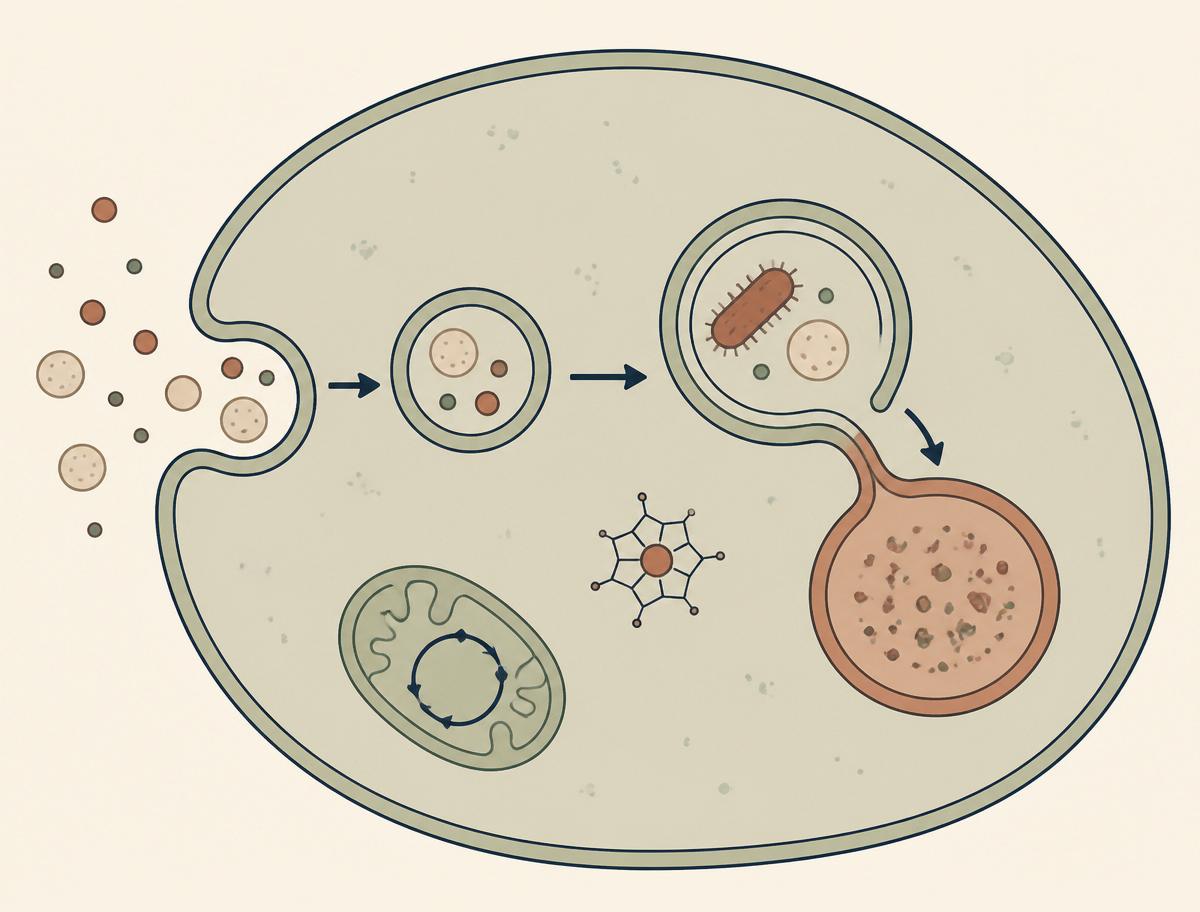
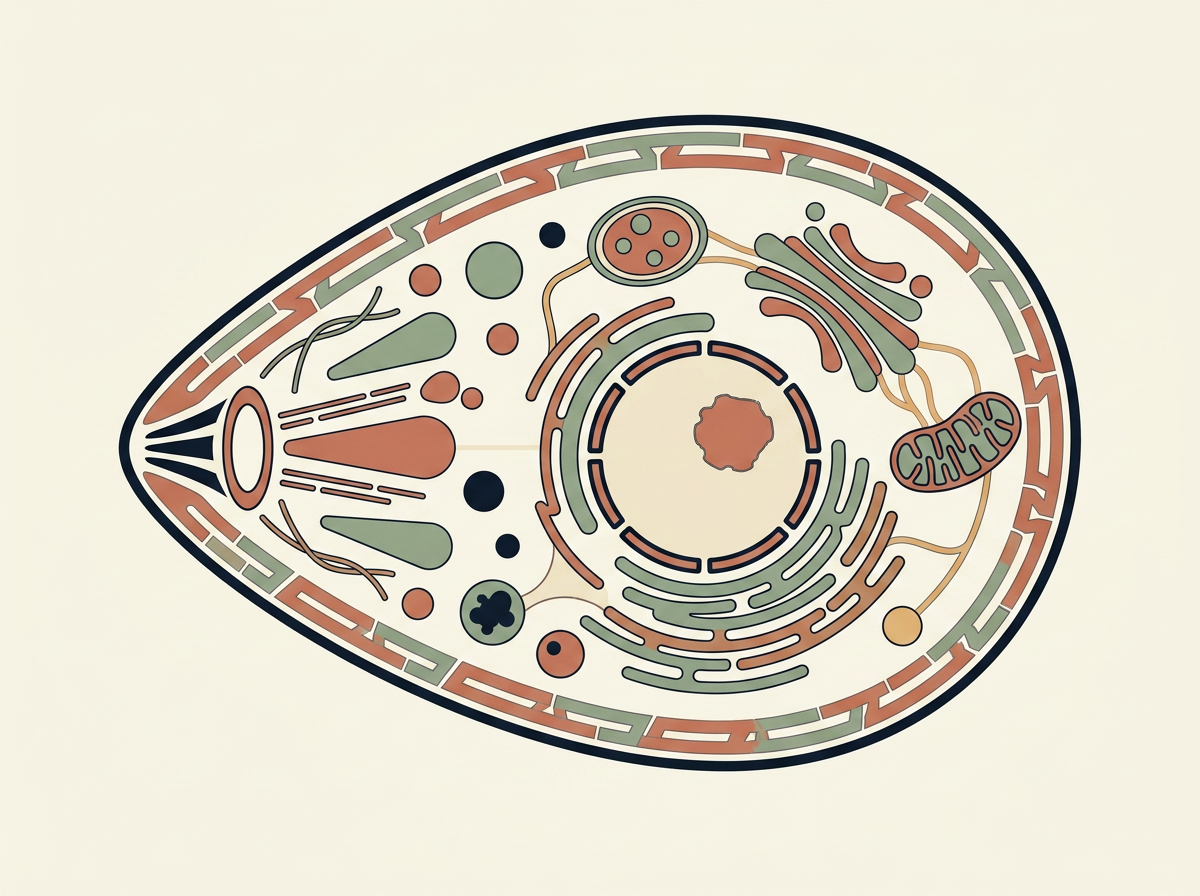
Protozoan parasites rely on specialized organelles to survive inside their hosts. The plant-like vacuole (PLVAC), also named food vacuole, act as digestion and recycling centers, breaking down host- and self-derived material to supply nutrients and manage stress. Mitochondria generate the energy parasites need to grow and replicate, while hydrogenosomes — a mitochondria-related organelle found in organisms like Histomonas and Trichomonas — provide an alternative energy pathway suited to low-oxygen environments. Because these organelles often function differently than their human counterparts, they represent promising, selective targets for new antiparasitic therapies that disrupt the parasite without harming the host.
- Organelle biology
- Omics strategies
- Cell imaging
- Molecular genetics
- Biochemical techniques